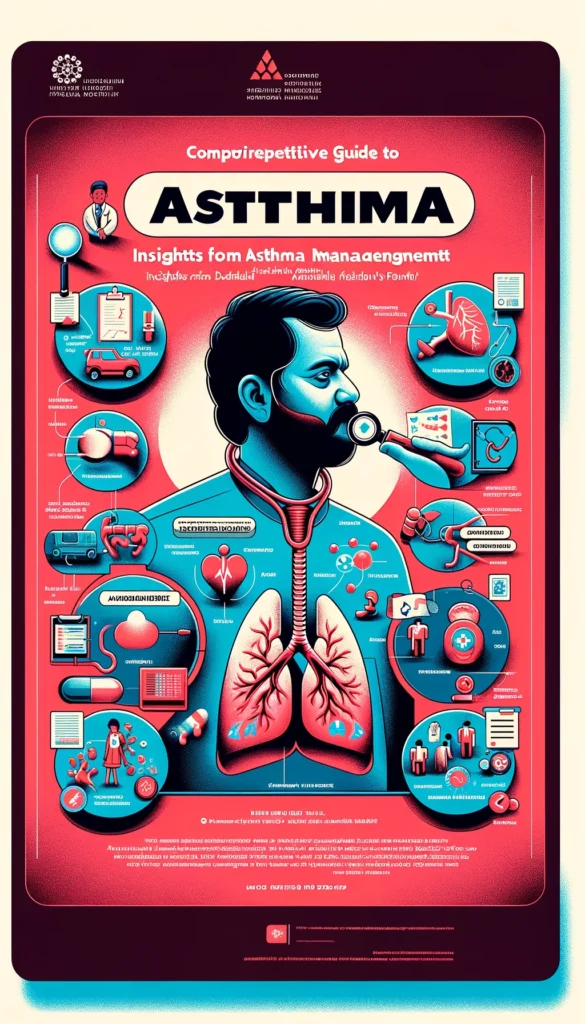
Title: Comprehensive Guide to Asthma Management: Insights from Ushodaya Hospital's Founder. Our hospital will provide asthma self care
Our hospital will provide asthma self care.
Table of contents
Introduction
Unraveling Asthma: A Chronic Inflammatory Airway Condition
Identifying Asthma Symptoms: The Path to Timely Intervention
The Impact of Asthma on Life
Diagnosis and Management Strategies
Preventive Measures for Asthma Control
Conclusion Our hospital will provide asthma self care.
Our hospital will provide asthma self care.
Introduction: Navigating Through Asthma for Enhanced Quality of Life
In the realm of chronic respiratory conditions, asthma stands out as a prevalent issue affecting countless individuals globally, obstructing their breath and daily endeavors. Spearheaded by Vadlamuri Sohan Aravind, the founder of Ushodaya Hospital, our mission transcends beyond treatment, aiming to cultivate awareness and superior patient support through education on asthma. Embark on this enlightening journey to unravel the mysteries of asthma, its symptoms, potential impacts, and the multiple avenues for effective management. Our hospital will provide asthma self care.
Asthma: Navigating Through Breath and Wellness
Asthma is a prevalent chronic condition that affects millions globally, characterized by episodes of wheezing, breathlessness, chest tightness, and coughing. Despite being a common ailment, asthma’s impact on individuals’ daily lives can be profound, influencing their physical activities, emotional well-being, and overall quality of life. This article delves into the intricacies of asthma, aiming to empower individuals with knowledge and strategies for managing this condition effectively.
Understanding Asthma
Asthma is a respiratory condition marked by inflammation and narrowing of the airways, leading to difficulty in breathing. It is crucial for individuals and their families to understand the nature of asthma to manage it effectively.
- Chronic Nature: Asthma is a long-term condition that requires ongoing management. It varies in severity from person to person.
- Triggers: Identifying and avoiding triggers such as allergens, cold air, exercise, or stress can significantly reduce asthma episodes.
Diagnosis: The First Step to Empowerment
Accurate diagnosis is the cornerstone of effective asthma management. It involves a thorough evaluation of symptoms, medical history, and specific tests to measure lung function.
- Spirometry: A key diagnostic tool that measures the amount and speed of air a person can inhale and exhale.
- Peak Flow Monitoring: Helps in monitoring lung function at home, allowing for early detection of asthma exacerbations.
Innovative Treatment Strategies
The treatment of asthma has evolved significantly, with a focus on personalized care plans that cater to the individual’s severity and triggers of asthma. Innovative treatments and management strategies have made it possible to control asthma effectively, enhancing patients’ quality of life.
- Medications: Inhaled corticosteroids are the mainstay of asthma treatment, reducing inflammation in the airways. Long-acting beta-agonists and leukotriene modifiers are other options.
- Biologic Therapies: For severe asthma, biologic therapies targeting specific pathways in the immune system have shown promising results.
Lifestyle Modifications: A Pillar of Asthma Management
Lifestyle changes play a vital role in managing asthma and minimizing the impact of symptoms on daily life.
- Exercise: Regular, gentle exercise can improve lung function and overall health. Activities such as swimming are particularly beneficial for people with asthma.
- Diet: A balanced diet rich in fruits, vegetables, and omega-3 fatty acids can help reduce inflammation and support respiratory health.
Empathy and Understanding: Keys to Support
The journey with asthma can be challenging, not just physically but emotionally as well. Empathy, understanding, and a strong support system are essential for individuals living with asthma.
- Support Groups: Connecting with others who have asthma can provide valuable insights, encouragement, and coping strategies.
- Education: Ongoing education about asthma, its triggers, and management strategies empowers patients and their families to take active roles in care.
In conclusion, managing asthma requires a comprehensive approach that includes accurate diagnosis, innovative treatments, lifestyle modifications, and a supportive care network. By embracing empowerment, innovation, empathy, and education, individuals with asthma can lead fulfilling lives. Understanding asthma, staying vigilant about symptoms, and adhering to treatment plans are crucial steps toward breath and wellness. Through informed actions and community support, managing asthma becomes not just about controlling symptoms but about enhancing overall well-being.

Our hospital will provide asthma self care.
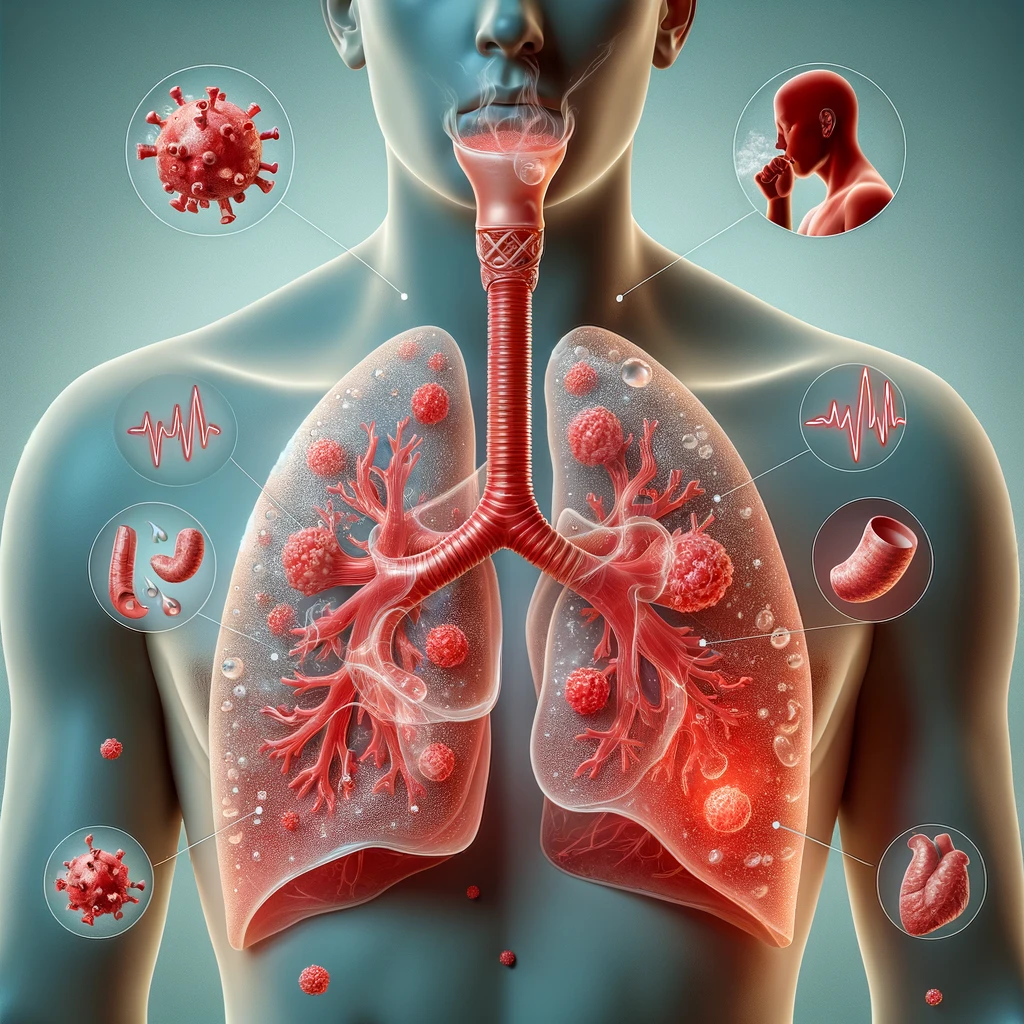
Unraveling Asthma: A Chronic Inflammatory Airway Condition
Asthma manifests as a persistent inflammation within the airways, marked by specific symptoms due to:
- Narrowing of the air passages
- Swelling of the airway linings
- Excessive mucus production
These characteristics provoke notable symptoms such as wheezing, persistent coughing, chest constriction, and shortness of breath, painting the complex picture of asthma. Our hospital will provide asthma self care.
Identifying Asthma Symptoms: The Path to Timely Intervention
Our hospital will provide asthma self care.
Early recognition of asthma’s hallmark symptoms lays the foundation for prompt and effective management. Stay vigilant for:
- Wheezing: A distinct high-pitched sound during exhalation.
- Breathlessness: Challenges in breathing, often exacerbated by physical exertion or nocturnal hours.
- Chest discomfort: A pressing sensation or unease within the chest area.
- Persistent coughing: Frequent coughing bouts, particularly at night or in the early morning, often triggered by various factors including allergens or cold temperatures.
- Trigger-induced symptom exacerbation: Asthma symptoms may intensify due to specific triggers such as allergens, air pollution, exercise, or stress. Our hospital will provide asthma self care.

The Impact of Asthma on Life Our hospital will provide asthma self care.
The influence of asthma extends beyond physical symptoms, potentially affecting emotional well-being, social interactions, and financial stability:
- Daily life and activities can be hindered, alongside sleep disturbances and diminished exercise capacity.
- Emotional distress, including anxiety and frustration, may arise, exacerbating the challenges faced by those living with asthma.
- Social engagements and professional or academic obligations may be affected, necessitating adjustments.
- The economic strain due to medication costs, healthcare visits, and potential loss of income can further burden individuals and families. Our hospital will provide asthma self care.

Diagnosis and Management Strategies
Our hospital will provide asthma self care.
Achieving asthma control and mitigating its influence necessitates an early and precise diagnosis followed by a tailored management approach:
- A combination of medical history review, physical examinations, and lung function tests, including spirometry, are vital for diagnosing asthma.
- Collaboratively creating an asthma action plan with healthcare providers ensures a strategic approach to medication adherence, trigger avoidance, and managing exacerbations.
- Asthma medications, such as inhaled corticosteroids and bronchodilators, play a pivotal role in symptom control and preventing asthma attacks.
- Emphasis on lifestyle adjustments, including exercise, a nutritious diet, and stress management, alongside regular monitoring and healthcare consultations, is crucial for optimal asthma management. Our hospital will provide asthma self care.

Preventive Measures for Asthma Control
Our hospital will provide asthma self care.
Proactive prevention is key to managing asthma effectively and averting asthma attacks:
- Awareness and avoidance of known triggers are essential steps in preventing symptom flare-ups.
- Adherence to prescribed medication regimes underpins effective inflammation and symptom control.
- Being mindful of air quality and vaccination updates offers additional layers of protection against potential exacerbations.
- Crafting an asthma-friendly home environment minimizes exposure to common allergens and irritants. Our hospital will provide asthma self care.

Conclusion: Embracing an Asthma-Free Life with Ushodaya Hospital’s Expertise
Our hospital will provide asthma self care.
Asthma, while a common chronic respiratory challenge, necessitates a comprehensive management approach to ensure individuals can thrive without constraints. Under the guidance of Vadlamudi Sohan Aravind and the dedicated team at Ushodaya Hospital, we champion the cause of asthma awareness and patient empowerment. Through deep understanding, adherence to tailored treatment plans, and preventive strategies, living an active and fulfilling life with asthma is within reach.
Written by Vadlamudi Sohan Aravind, the passionate founder of Ushodaya Hospital, committed to enhancing asthma care and awareness. Our hospital will provide asthma self care.

Be brave, be healthy